Coming soon to Auckland Radiology - here’s what’s involved, who it’s for, and how to make an informed choice with your health professional.
This Lung Cancer Awareness Month, we’re sharing what’s ahead for lung health at Auckland Radiology.
Lung cancer is often found at a later stage, when treatment options are more limited. Low-dose CT lung screening is designed to change that - helping detect changes in the lungs earlier, often before any symptoms appear.
Coming soon, Auckland Radiology will offer low-dose CT lung screening for people at higher risk. Ahead of launch, we want to share what it involves and who it may be most appropriate for, so you can make a confident, informed decision with your health professional.
What is low-dose CT lung screening?
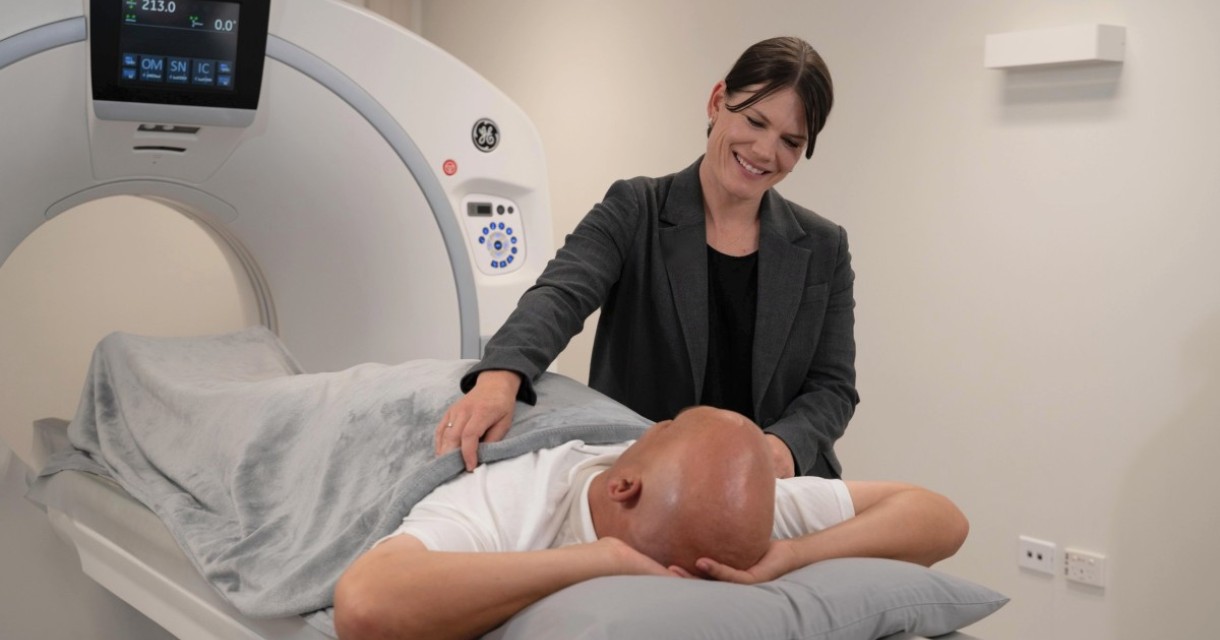
Low-dose CT is a quick, non-invasive scan of your chest. It uses around a third of the radiation of a standard chest CT, while still giving our radiologists a detailed view of your lungs. It’s designed to look for small spots, called nodules, in people who feel well and have no symptoms.
-
No needles, injections or contrast
-
You lie comfortably on your back and hold your breath for a few seconds
-
The scan takes less than a minute, with your appointment usually around 15 minutes
-
Your images are reviewed by our subspecialty-trained radiologists, and results are sent to your health professional
Who may it be right for?
Good health isn’t about screening for everything - it’s about knowing what’s right for you. Lung screening is most appropriate for people at higher risk of lung cancer, typically:
-
adults aged [50-74]
-
who smoke, or have smoked in the past - particularly over many years.
Family history and certain workplace exposures can also play a part in your personal risk. For people at lower risk, screening is generally not recommended.
Understanding the benefits and limitations
International research shows that screening people at higher risk with low-dose CT can reduce deaths from lung cancer by around 20-26%. As with any screening, it’s important to understand what it can and can’t do:
-
Small nodules are common, and most are not cancer. You may be invited back for a follow-up scan to check for any changes
-
The scan may pick up other findings that need further assessment
-
The radiation dose is low, but - as with all CT scans - it isn’t zero
-
No screening test detects every cancer
Lung screening complements - not replaces - your routine medical care. Your health professional will talk you through your results and any next steps.
How to access lung screening
To ensure the right screening pathway for you, we encourage you to speak with your health professional about obtaining a referral. They can look at your smoking history and other risk factors, and help you decide whether screening is right for you.
Experiencing symptoms?
Screening is for people without symptoms. If you have a persistent cough, are coughing up blood, or have chest pain or unexplained weight loss, please see your health professional now rather than waiting for screening.
Learn more about our screening services here.